

Scabies Treatment

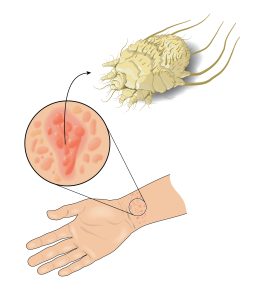
What is Scabies?
Scabies is a highly contagious skin condition caused by tiny mites that burrow into the skin, leading to intense itching and rashes. It spreads through direct skin contact and can affect individuals of all ages. If left untreated, scabies can worsen, causing secondary infections due to excessive scratching. Proper medical intervention is necessary to eliminate the mites and relieve symptoms effectively.
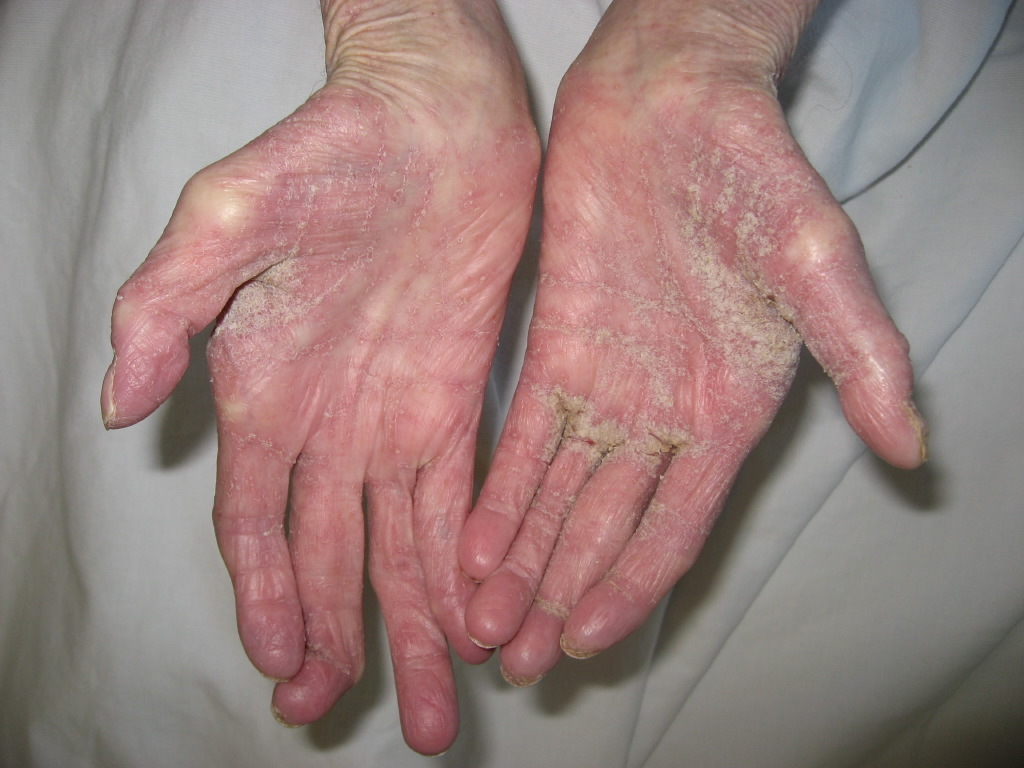
Symptoms of Scabies
Scabies typically causes persistent itching, which worsens at night. Common symptoms include:
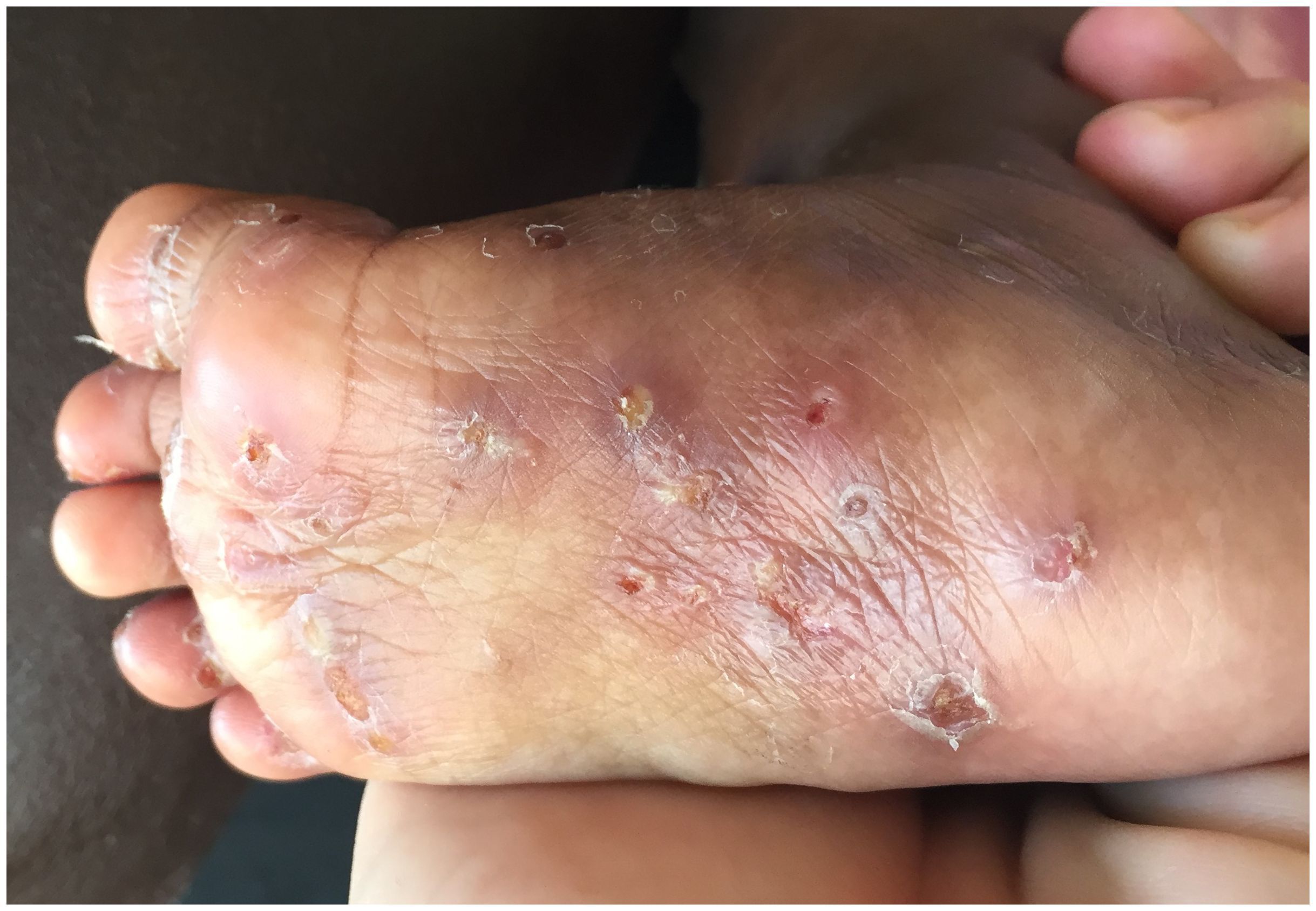
- Red rashes or small blisters
- Thin, thread-like burrow marks on the skin
- Skin peeling or scaling in affected areas
- Sores caused by excessive scratching
The mites often target warm areas such as the hands, wrists, elbows, waist, and genital region. Early detection and treatment are crucial to prevent further spread.
Transmission and Prevention
Scabies is primarily transmitted through direct skin-to-skin contact with an infected person. It can also spread by sharing contaminated items like bedding, clothing, or towels. To prevent scabies, practice good hygiene, avoid sharing personal belongings, and ensure prompt treatment for affected family members or close contacts.
When Should You See a Specialist?
You should consult a dermatologist if:
- Itching and rashes persist for more than a few days
- Home remedies or over-the-counter treatments don’t provide relief
- You notice worsening symptoms or signs of infection (such as pus or swelling)
- Multiple family members or close contacts develop similar symptoms
Seeking medical help early can ensure effective treatment and prevent scabies from spreading to others.
How We Treat Scabies
Evaluation and Diagnosis
Our compassionate pediatric dermatology team conducts a thorough assessment of your child’s skin, examining affected areas and reviewing their medical history to ensure an accurate diagnosis. We also discuss possible sources of exposure to help identify and treat all affected individuals within your household.
Treatment Options
We provide a range of effective treatments for scabies in children, including topical creams, lotions, and oral medications designed to eliminate mites and their eggs. Additionally, we offer guidance on proper home cleaning and disinfection to prevent reinfestation and stop the spread of scabies.
Follow-Up Care and Prevention Strategies
Following treatment, we schedule follow-up appointments to track your child’s progress and confirm that the infestation has been fully resolved. We also educate families on essential prevention measures to reduce the risk of future outbreaks. Our team is committed to ensuring your child’s recovery and long-term skin health.
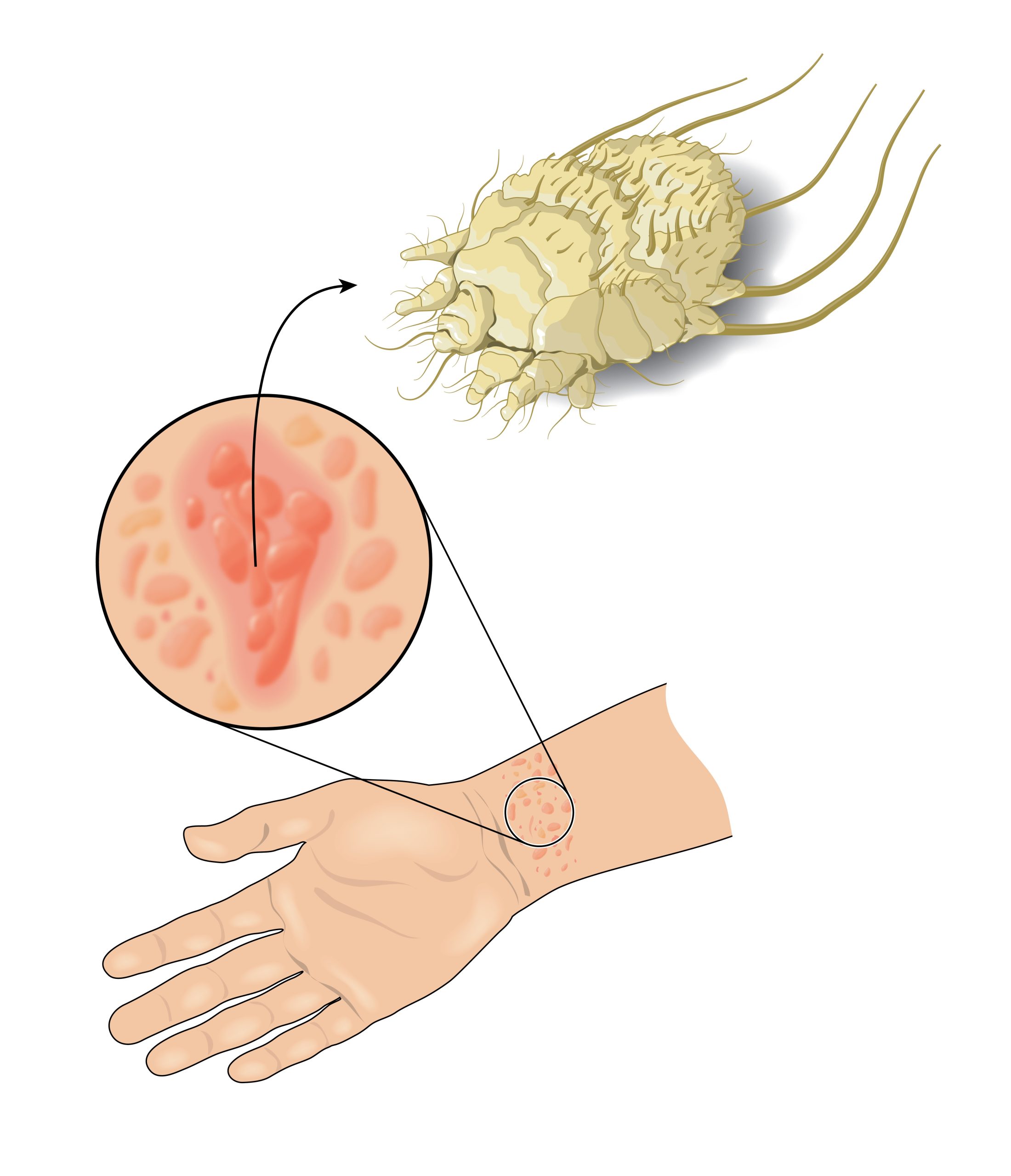

Time for Recovery and Post-Treatment Care
Scabies treatment usually begins working within a few days, but full recovery can take 2 to 4 weeks. During this period:
- Itching may continue even after mites are killed, but it gradually improves
- Skin rashes may take time to heal completely
- Washing clothes, bedding, and personal items in hot water is essential to prevent reinfection
- Avoid direct skin contact with others until treatment is completed
Prevention and Post-Treatment Care
After completing treatment, it is crucial to take preventive measures to avoid reinfection. Patients should wash all clothing, bedding, and towels in hot water and dry them at high temperatures. Personal hygiene should be maintained, and close contact with infected individuals should be avoided. Cleaning frequently touched surfaces can also help prevent the spread of scabies mites within households.
Consult Specialist for Scabies Treatment
If you suspect scabies or experience persistent itching and rashes, seeking professional care is essential. Our dermatologists provide personalized treatment plans to ensure fast and effective relief. Contact us today to schedule an appointment and get expert care for scabies.

FAQ's
Scabies is a contagious skin condition caused by tiny mites that burrow into the skin.
Intense itching, especially at night, and a pimple-like rash are common symptoms.
It spreads through prolonged skin-to-skin contact or sharing clothes and bedding.
It’s diagnosed by a skin exam and sometimes scraping the skin to find mites or eggs.
Prescription creams like permethrin or oral ivermectin are the most effective.
Symptoms improve within a few days, but itching can last for 2–4 weeks.
Yes, pediatric-safe formulations like 5% permethrin are commonly used.
Usually, two applications a week apart are recommended for complete cure.
Yes, all close contacts should be treated at the same time to prevent reinfection.
Wash clothes, bedding, and towels in hot water and vacuum furniture and carpets.
Stay home until 24 hours after starting treatment to avoid spreading it.
Yes, post-scabies itch may persist for weeks despite successful treatment.
Reinfection can happen if the environment or contacts are not treated properly.
No, prescription-strength medication is required to kill the mites.
Avoid close contact with infected individuals and maintain personal hygiene.
Yes, it’s safe and effective, especially for severe or crusted scabies.
A severe form of scabies with thick crusts of skin teeming with mites, needing urgent treatment.
No, human scabies mites are different from those affecting animals.
Yes, hot water (above 50°C) kills mites on clothes and bedding.
It’s not classified as an STI but can spread through close physical or sexual contact.