

One of the most common questions dermatologists hear is:
“Why does my skin suddenly look older, even though I’m using the same skincare products I’ve always used?”
The answer is simple: your skin’s needs change with age.
What worked in your 20s may not be enough in your 30s, 40s, or 50s. Over time, collagen production slows down, skin cell turnover becomes less efficient, and hormonal changes begin to affect skin elasticity, hydration, firmness, and overall skin health.
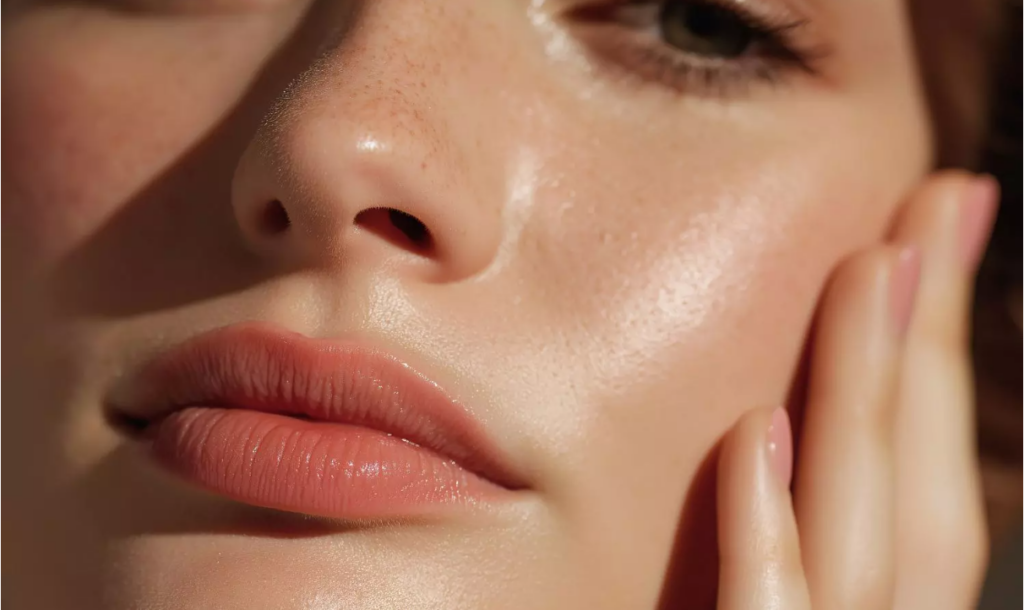
In fact, research suggests that adults lose approximately 1% of their collagen each year starting in their mid-to-late 20s. While this decline is gradual, its effects become increasingly noticeable with age.
At DASC, we frequently see patients concerned about fine lines, wrinkles, pigmentation, acne scars, enlarged pores, dull skin, and loss of skin firmness. Many are surprised by how quickly these changes seem to appear. In reality, these visible signs of aging develop gradually as the skin’s natural repair processes slow down.
Let’s take a closer look at what happens during each decade.
Your Skin in Your 30s: The Early Signs of Change
For many people, their 30s are when the first visible signs of aging begin to appear.
What Happens?
Collagen production starts to decline, and the skin’s natural ability to repair itself becomes slightly less efficient.
You may notice:
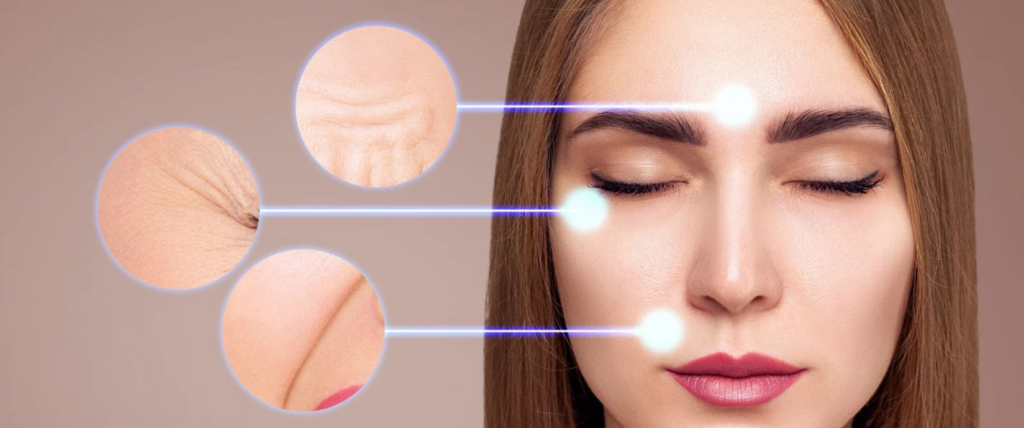
- Fine lines around the eyes
- Early forehead lines
- Mild pigmentation
- Dull skin
- Slower healing after breakouts
- Enlarged pores
Many people also experience adult acne, making this a common decade for concerns such as acne scars and uneven skin texture.
What Should You Focus On?
This is often the best decade for prevention.
Focus on:
- Daily sunscreen
- Antioxidants such as Vitamin C
- Retinoids
- Hydration and skin barrier support
- Early skin rejuvenation treatments when needed
Your Skin in Your 40s: Collagen Loss Becomes More Noticeable
By your 40s, changes in skin elasticity and firmness become more visible.
What Happens?
Collagen and elastin continue to decline, while years of sun exposure may start showing as pigmentation, uneven skin tone, and deeper lines.
Common concerns include:
- Wrinkles becoming more pronounced
- Loss of skin firmness
- Uneven pigmentation
- Dull complexion
- Increased dryness
For many women, hormonal fluctuations during perimenopause can further impact hydration and skin quality.
What Should You Focus On?
This decade is often about maintaining collagen and supporting skin rejuvenation.
Helpful strategies include:
- Consistent sun protection
- Collagen-supporting skincare
- Professional anti-aging treatments
- Pigmentation management
- Medical-grade skincare
Your Skin in Your 50s: Hormonal Changes Take Centre Stage
Your 50s often bring some of the most significant skin changes.
What Happens?
Hormonal shifts can accelerate visible aging and affect both skin structure and hydration.
Research has shown that women can experience a significant decline in skin collagen during the first years after menopause, contributing to increased skin laxity and dryness.
You may notice:
- Thinner skin
- More pronounced wrinkles
- Increased dryness
- Loss of elasticity
- Slower healing
- Greater skin sensitivity
What Should You Focus On?
At this stage, supporting overall skin health becomes especially important.
Priorities include:
- Barrier repair
- Deep hydration
- Gentle skincare routines
- Professional skin rejuvenation treatments
- Regular dermatologist assessments
The Biggest Aging Factor Isn’t Age
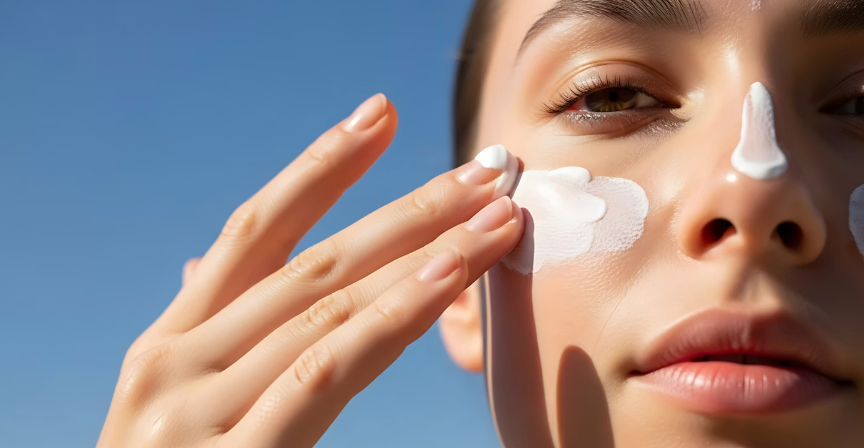
Did you know that most visible signs of skin aging are not caused by age alone? In fact, studies suggest that up to 80% of visible facial aging is linked to sun exposure, a process known as photoaging. This means the sun plays a much bigger role in how your skin looks than time itself, making daily sunscreen one of the most powerful anti-aging steps you can take.

Over time, repeated UV exposure breaks down collagen and elastin, the proteins responsible for keeping skin firm, smooth, and youthful. This leads to fine lines, deeper wrinkles, uneven pigmentation, loss of elasticity, and rough skin texture. These changes happen gradually and silently, which is why consistent sun protection is essential for maintaining healthy, youthful-looking skin.
How DASC Approaches Healthy Skin at Every Age
At DASC, we understand that a patient in their 30s concerned about acne scars and pigmentation has very different needs from someone in their 50s experiencing skin laxity and volume loss.
That’s why our approach focuses on personalized care and evidence-based solutions.
Depending on your concerns, treatment plans may include:
- Acne scar treatment
- Microneedling
- PRP therapy
- Laser skin rejuvenation
- Chemical peels
- Medical-grade skincare
- Anti-aging treatments tailored to your skin
The goal isn’t simply to treat wrinkles. It’s to support healthier, stronger, and more resilient skin at every stage of life. Age gracefully. Age confidently.
