
Book an Appointment
Dr Amina's Skin Clinic logo


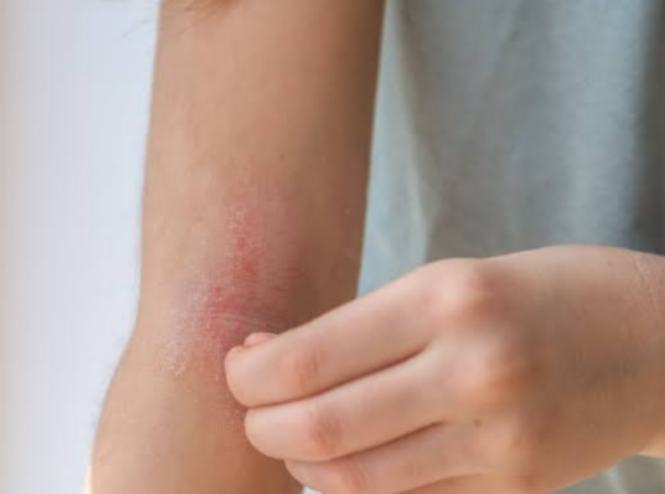
The itching starts quietly. Before long, every shower stings, every scratch brings only temporary relief, and a full night’s sleep feels impossible.
This is the reality of eczema for millions of people. Nearly 1 in 10 adults and up to 20% of children worldwide are affected by this chronic inflammatory skin condition.

At Dr. Amina’s Skin Clinic (DASC), our consultant dermatologist provides expert eczema treatment in Lahore for children and adults. Whether you are experiencing atopic dermatitis, chronic itching, dry skin, or recurring eczema flare-ups, we offer personalized, evidence-based care to relieve symptoms, repair the skin barrier, and help prevent future flare-ups.

eczema treatment in Lahore

Why Does Eczema Keep Coming Back?

Have you ever wondered why your eczema clears up, only to flare up again weeks or even days later?

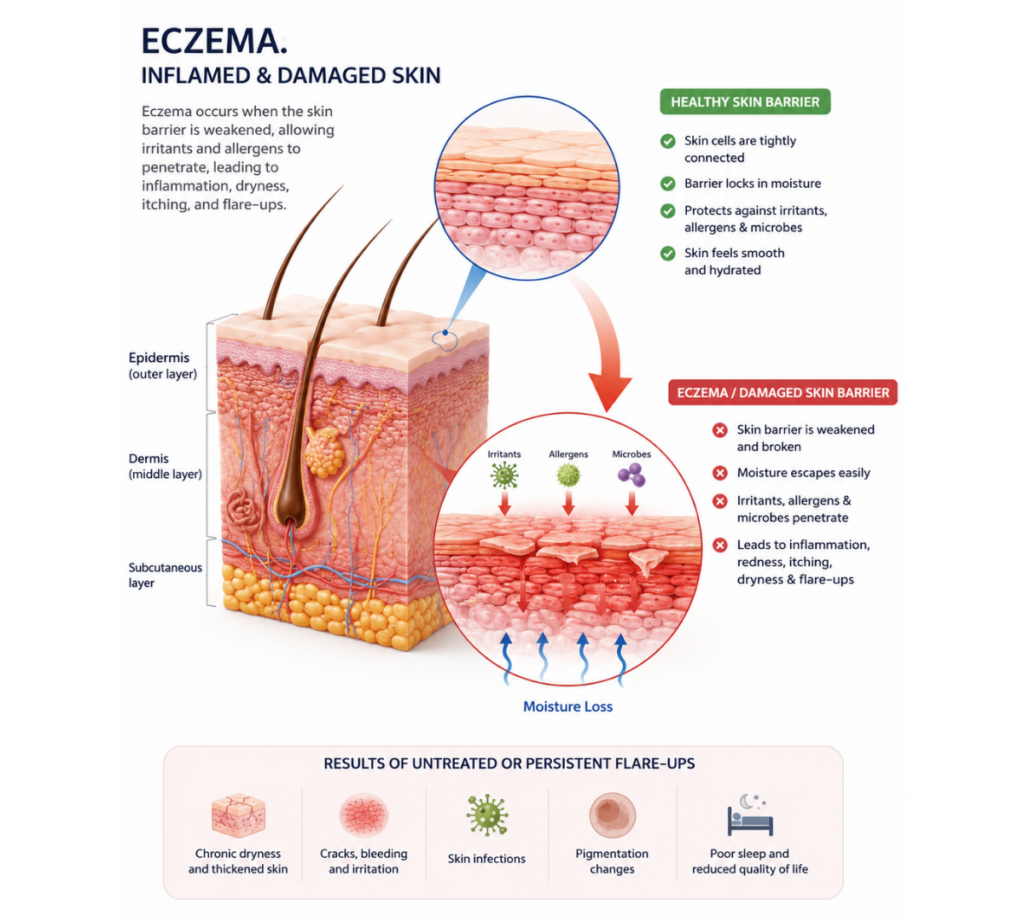
That’s because eczema is more than just dry skin. It is a chronic inflammatory skin condition influenced by genetics, an overactive immune response, a weakened skin barrier, and environmental triggers. When the skin’s natural barrier is compromised, it loses moisture more easily and becomes vulnerable to irritants, allergens, and microbes, leading to inflammation and intense itching.

Common triggers include:

  • Changes in weather
  • Hot showers
  • Harsh soaps and detergents
  • Dust mites
  • Pet dander
  • Stress
  • Excessive sweating
  • Wool and other rough fabrics
  • Fragrances and certain skincare products

The itching often leads to scratching, which further irritates the skin and triggers the itch-scratch cycle, making flare-ups more frequent and severe.

Effective eczema treatment targets the underlying inflammation, repairs the skin barrier, identifies your triggers, and helps break the itch-scratch cycle to reduce future flare-ups.

What is Eczema Treatment?

What Is Eczema?

Eczema, also known as atopic dermatitis, is a chronic inflammatory skin condition that causes dry, itchy, and inflamed skin. Although it cannot always be cured, it can be effectively managed with the right treatment, skincare routine, and trigger avoidance. 

Where Can Eczema Occur?

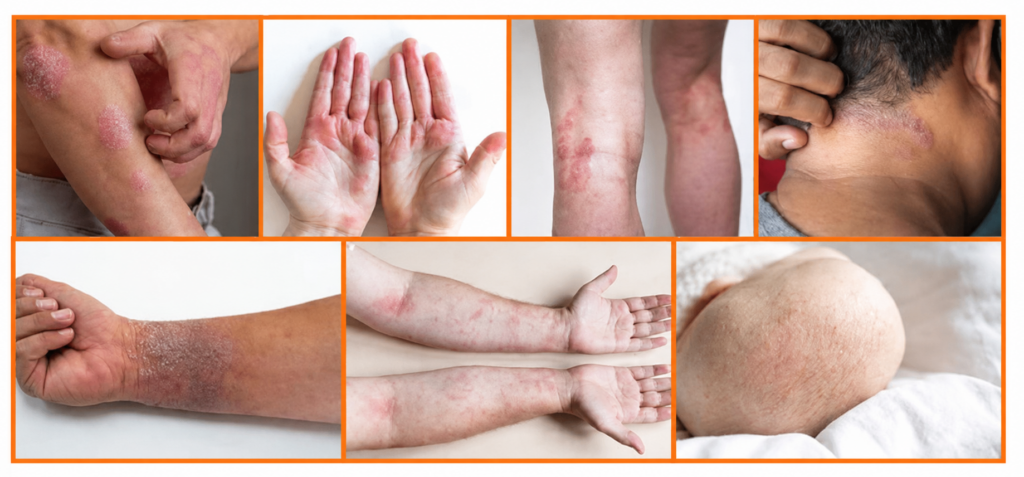
Eczema can develop almost anywhere on the body, and symptoms may vary depending on the affected area. Common sites include:

  • Face and eyelids
  • Neck
  • Hands and fingers
  • Elbows
  • Wrists
  • Knees
  • Ankles
  • Feet
  • Scalp

Some areas are more prone to irritation because of frequent washing, friction, or exposure to allergens and irritants. Identifying the affected area helps your dermatologist choose the most effective treatment.

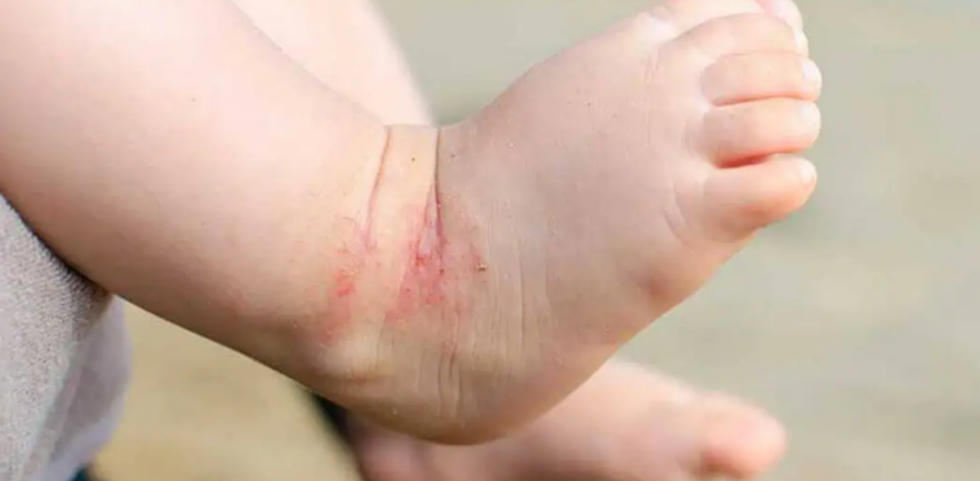
Eczema in Children

Eczema commonly begins during infancy or childhood, although adults can also develop the condition.

Children often experience eczema on the cheeks, scalp, elbows, knees, wrists, and ankles. Persistent itching can affect sleep, concentration, and overall quality of life.

Early diagnosis and appropriate treatment help control symptoms, protect the skin barrier, reduce flare-ups, and improve your child’s comfort.

Kids Eczema Treatment

What Happens If Eczema Is Left Untreated?

Eczema is more than an occasional rash. Without appropriate treatment, ongoing inflammation can damage the skin and lead to long-term complications.

Untreated eczema may result in:

  • Persistent itching and discomfort
  • Thickened or leathery skin from repeated scratching
  • Cracked or bleeding skin
  • Bacterial or viral skin infections
  • Dark or light patches after inflammation
  • Sleep disturbance and reduced quality of life

Early diagnosis and treatment can help control symptoms, reduce flare-ups, and protect your skin from further damage.

Signs You Should See a Dermatologist for Eczema

Occasional dryness is common, but persistent itching and recurring flare-ups are not. If your symptoms keep returning or aren’t improving with over-the-counter products, it’s time to seek expert care.

You should consult a dermatologist if you have:

  • Persistent itching
  • Dry, rough, or scaly skin
  • Red, inflamed, or swollen patches
  • Cracked, painful, or bleeding skin
  • Oozing or crusting lesions
  • Frequent or recurring flare-ups
  • Signs of a skin infection
  • Itching that disrupts your sleep or daily life

Left untreated, eczema can lead to chronic skin thickening, pigmentation changes, recurring infections, and a reduced quality of life.

Don’t let eczema control your life. Book a consultation with our dermatologist and get lasting relief.

Types of Eczema

Not all eczema is the same. Identifying the specific type is essential for effective treatment and long-term control.
Eczema treatment near me

Atopic Dermatitis

The most common type of eczema, often linked to genetics, allergies, or asthma.

Contact Dermatitis

Develops when the skin reacts to irritants or allergens such as soaps, detergents, cosmetics, metals, or fragrances.

Seborrheic Dermatitis

Affects oil-rich areas like the scalp, eyebrows, ears, and around the nose, causing redness and flaky skin.

Hand Eczema

Common in people who frequently wash their hands or are exposed to water, chemicals, or cleaning products.

Dyshidrotic Eczema

Causes intensely itchy, fluid-filled blisters on the hands, fingers, and feet.

Nummular Eczema

Characterized by round, coin-shaped patches that are often mistaken for fungal infections.

At Dr. Amina’s Skin Clinic (DASC), our consultant dermatologist accurately diagnoses the type of eczema and distinguishes it from conditions such as psoriasis, fungal infections, and allergic skin disorders to provide the most effective treatment.

Who Is at Risk of Developing Eczema?

Eczema can affect anyone, but some people are more likely to develop it than others. You may be at a higher risk if you:

  • Have a family history of eczema, asthma, or allergies
  • Have sensitive or naturally dry skin
  • Work in environments with frequent exposure to water, soaps, chemicals, or detergents
  • Live in a dry or cold climate
  • Experience high levels of stress
  • Have a history of allergic conditions such as hay fever

Recognizing these risk factors can help identify triggers and reduce the likelihood of future flare-ups.

Why Choose DASC for Eczema Treatment?

At DASC, we don’t just treat eczema flare-ups. We help patients understand why their eczema keeps returning and develop a long-term management plan to reduce flare-ups, strengthen the skin barrier, and improve quality of life.

Here’s what sets us apart:

  • Consultant dermatologist-led diagnosis and treatment
  • Accurate identification of your eczema type and triggers
  • Personalized treatment plans tailored to your skin
  • Evidence-based therapies for lasting symptom relief
  • Focus on repairing the skin barrier and preventing flare-ups
  • Expert guidance on skincare routines and trigger avoidance
  • Compassionate, confidential care in a comfortable clinical setting
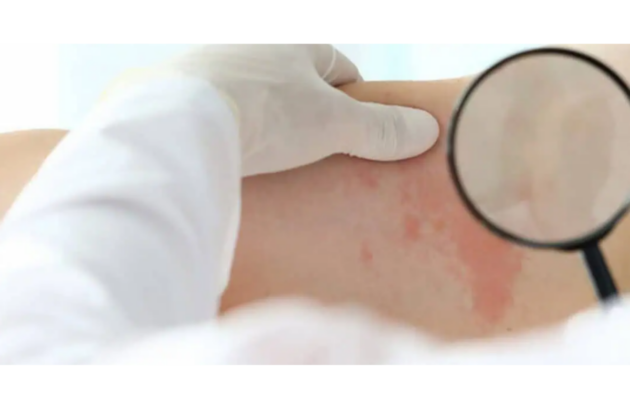
Book Your Consultation

Eczema Treatment Near me

How We Diagnose Eczema

Your consultation includes:

  • Detailed medical history
  • Examination of affected skin
  • Identification of possible triggers
  • Review of previous treatments
  • Assessment for allergies or secondary infection

If necessary, additional investigations may be recommended to rule out fungal infections, psoriasis, or allergic contact dermatitis.

Eczema Treatments Available at DASC

Treatment depends on your symptoms, severity, age, and trigger factors.

Medical Moisturizers & Skin Barrier Repair

Regular use of dermatologist-recommended emollients restores the skin barrier, reduces dryness, and helps prevent future flare-ups.
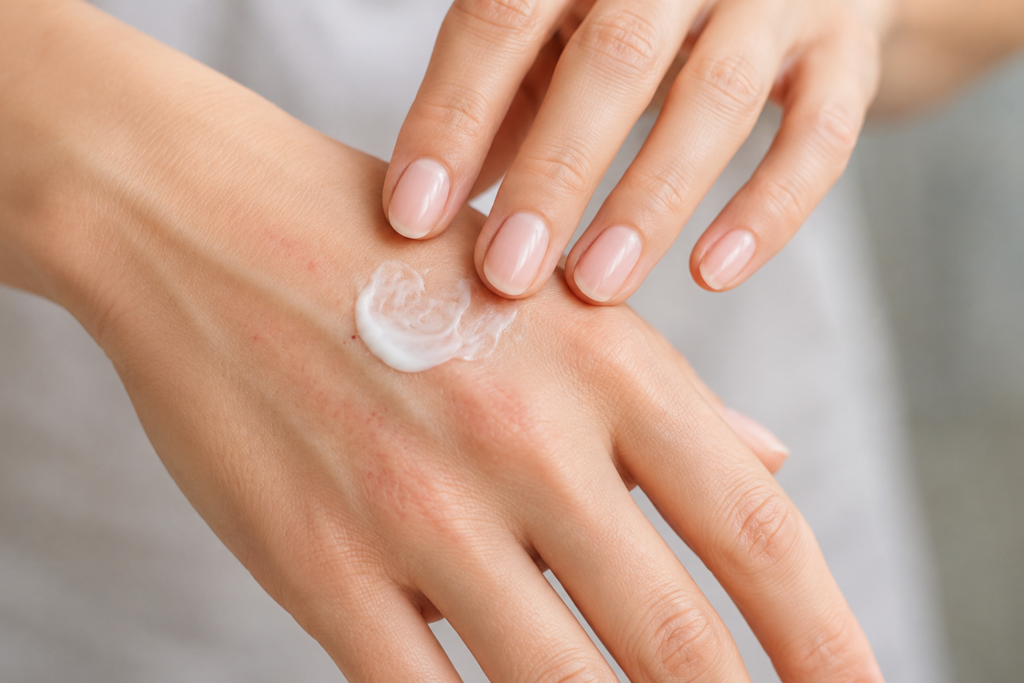
Best Eczema Treatments

Anti-Inflammatory Creams

Prescription topical medications reduce redness, inflammation, and itching during active eczema flare-ups.

Anti-Itch Medication

For patients experiencing severe itching, medications may be recommended to improve comfort and reduce scratching.

Infection Management

Sometimes eczema becomes infected due to repeated scratching. When necessary, bacterial or fungal infections are treated alongside eczema.

Advanced Systemic Treatment

Patients with moderate to severe eczema may benefit from oral medications or advanced therapies when topical treatment alone is insufficient.

Lifestyle & Trigger Management

Successful eczema treatment isn’t only about medication.

Our team provides guidance on:

  • Daily skincare routines
  • Choosing suitable cleansers and moisturizers
  • Avoiding known triggers
  • Bathing practices
  • Clothing recommendations
  • Preventing future flare-ups

How Long Does Eczema Treatment Take?

Eczema is a chronic condition that improves with consistent treatment rather than overnight.

Many patients notice reduced itching within days, while redness and inflammation gradually improve over several weeks.

Long-term skin barrier care and trigger avoidance help reduce future flare-ups and maintain healthier skin.

Cost of Eczema Treatment in Lahore

Treatment costs depend on:

  • Type of eczema
  • Severity
  • Areas involved
  • Required medications
  • Duration of treatment

A consultation allows Dr. Amina to develop the most effective treatment plan based on your individual skin condition.

When Should You Book an Appointment?

Book a consultation if:

  • Your eczema keeps returning.
  • Over-the-counter creams aren’t helping.
  • The itching affects your sleep.
  • Your skin is cracked, painful, or infected.
  • You’re unsure whether it’s eczema, psoriasis, or a fungal infection.

Early diagnosis often means faster relief and better long-term control.

Take the First Step Towards Healthier Skin

Persistent itching doesn’t have to become part of your daily life. Whether you’ve recently developed eczema or have struggled with recurring flare-ups for years, early diagnosis and the right treatment can make a significant difference. Book a consultation with Dr. Amina Afzal and take the first step towards healthier, more comfortable skin. 

FAQ's

Eczema is a chronic skin condition, which means there is no permanent cure. However, with the right treatment, skincare routine, and trigger management, most people can achieve long-term control and significantly reduce flare-ups.

No. Eczema is not contagious and cannot spread through physical contact, sharing towels, or other forms of close contact.

Eczema develops due to a combination of genetic factors, a weakened skin barrier, an overactive immune system, and environmental triggers such as allergens, harsh soaps, weather changes, and stress.

Common triggers include dry weather, hot showers, harsh soaps, detergents, dust mites, pet dander, sweating, stress, wool clothing, and fragranced skincare products. Triggers vary from person to person.

Yes. Emotional stress can trigger or worsen eczema flare-ups in many people by increasing inflammation and making itching more intense.

No. Although both conditions can cause red, itchy, and scaly skin, they have different causes and require different treatments. A dermatologist can accurately diagnose the condition and recommend the appropriate treatment.

Yes. Eczema commonly begins in childhood, but it can also develop for the first time in adults or continue into adulthood.

Yes. Repeated scratching can damage the skin, allowing bacteria, viruses, or fungi to enter and cause an infection. Signs include increased redness, pain, swelling, pus, or crusting. If you notice these symptoms, seek medical attention promptly.