

You’ve swapped your pillowcase, upgraded your skincare routine, and even stopped touching your face. But every morning, a new breakout greets you in the mirror. Sound familiar?
Those recurring breakouts aren’t just frustrating. They’re incredibly common. Acne affects an estimated 85% of people between the ages of 12 and 24, making it one of the world’s most common skin conditions. For many, the struggle continues long after their teenage years.
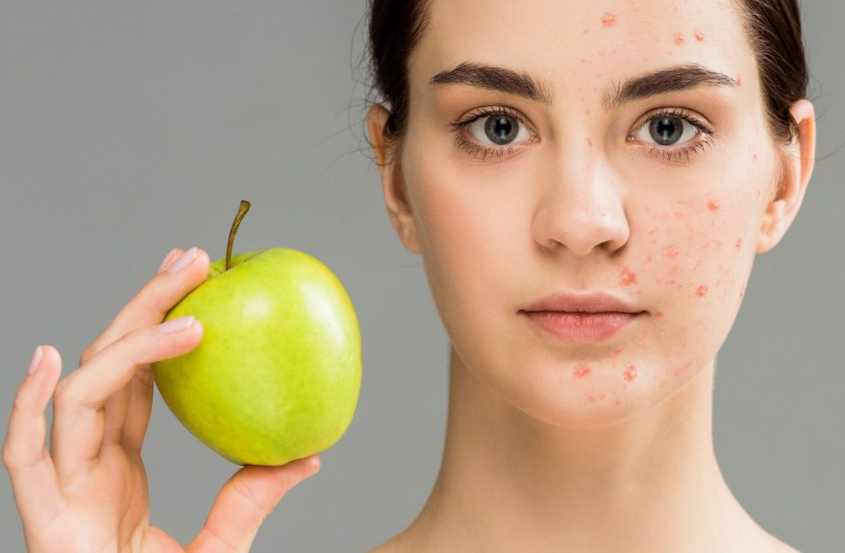
Before you blame your cleanser, take a look at what’s on your plate.
While acne is influenced by hormones, genetics, skincare habits, and inflammation, research suggests that diet may also play a role for some people. Although food alone doesn’t cause acne, certain dietary patterns can influence hormone levels, increase inflammation, and contribute to recurring breakouts in susceptible individuals.
Does Diet Really Cause Acne?
It’s one of the most common questions Dr. Amina Afzal hears from patients at DASC: Can certain foods cause acne?
The answer isn’t a simple yes or no. Diet doesn’t directly cause acne, but it can influence factors that contribute to breakouts, such as hormone levels, inflammation, and oil production. Since everyone’s skin responds differently, the same food may trigger acne in one person but not another.
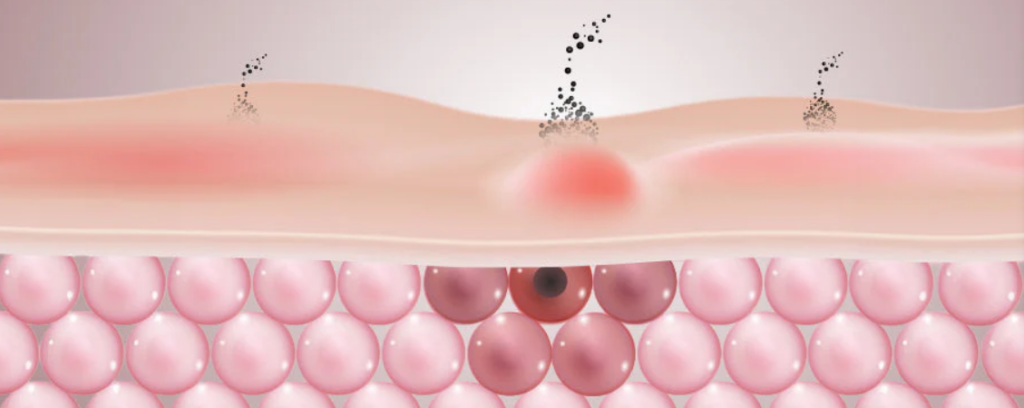
Acne develops when several factors come together, including:
- Excess oil (sebum) that clogs pores
- Hormonal changes that increase oil production
- Acne-causing bacteria in blocked follicles
- Inflammation that worsens breakouts
- Genetics, which affect your skin’s tendency to develop acne
- Diet, which may influence acne severity in some individuals
At DASC, Dr. Amina Afzal encourages patients to look beyond individual foods and focus on their overall diet and lifestyle. A balanced diet, combined with a consistent skincare routine and evidence-based acne treatment, offers the best chance of achieving clearer, healthier skin.
Foods That May Trigger Acne
There’s no single food that causes acne, but certain foods may trigger breakouts in some people by affecting blood sugar, hormone levels, and inflammation. If you have acne-prone skin, keeping an eye on your diet may help you identify potential triggers.
High-Glycemic Foods
Foods with a high glycemic index (GI) cause a rapid rise in blood sugar and insulin levels. This may increase oil production and inflammation, two factors linked to acne.
Common examples include:
- White bread
- White rice
- Sugary cereals
- Cakes and pastries
- Candy
- Soft drinks
Swap them for nutrient-rich alternatives such as:
- Whole grains
- Oats
- Brown rice
- Fresh fruits and vegetables
Dairy Products
Some studies suggest that milk, particularly skim milk, may worsen acne in certain individuals. While the evidence is still evolving, if you notice more breakouts after consuming dairy, discuss it with your dermatologist before eliminating it from your diet.
Sugary Foods and Drinks
Foods and drinks high in added sugar can lead to blood sugar spikes, which may contribute to inflammation and acne flare-ups.
Try to limit:
- Soft drinks
- Packaged juices
- Candy
- Cookies
- Desserts

Diet Is Just One Piece of the Puzzle
While your diet can influence acne severity, it’s only one factor in achieving clearer skin. The best results come from combining healthy eating habits with a consistent skincare routine and personalized acne treatment.
Foods That May Support Clearer Skin
While no single food can cure acne, eating a nutrient-rich diet may help reduce inflammation and support healthier skin. Think of these foods as part of your overall acne management plan, not a quick fix. Include more of these skin-friendly foods in your daily diet:
- Omega-3 fatty acids: Salmon, walnuts, chia seeds, and flaxseeds may help reduce inflammation.
- Zinc-rich foods: Pumpkin seeds, chickpeas, eggs, and lean meats support skin repair and healing.
- Colourful fruits and vegetables: Berries, spinach, carrots, and citrus fruits provide antioxidants that protect the skin.
- Probiotic foods: Yoghurt with live cultures and fermented foods may help support a healthy gut microbiome, which is being studied for its potential role in skin health.
- Water: Staying hydrated supports your skin’s natural barrier and overall function.
Common Myths About Diet and Acne
There’s plenty of misinformation about diet and acne. Here are a few common myths:
Myth: Chocolate causes acne.
Fact: Chocolate itself hasn’t been proven to cause acne. However, products high in sugar may contribute to breakouts in some people.
Myth: Greasy foods make your skin oily.
Fact: Eating fried or oily foods doesn’t directly increase oil production in your skin.
Myth: Drinking more water cures acne.
Fact: Hydration is important for healthy skin, but water alone won’t clear acne.
When Should You See a Dermatologist?
Occasional pimples are normal, but persistent acne deserves professional care. Consider seeing a dermatologist if you have:
- Painful or cystic acne
- Acne that’s leaving scars or dark marks
- Breakouts that don’t improve with over-the-counter products
- Frequent adult acne
- Acne that’s affecting your confidence or daily life
At DASC, Dr. Amina Afzal creates personalized treatment plans based on your skin type, acne severity, and lifestyle to help you achieve lasting results.
Clearer Skin Starts from the Inside Out
When it comes to diet and acne, it’s important to remember that acne is influenced by multiple factors, not just what you eat. While food alone won’t cause or cure acne, healthy eating habits can support clearer skin when combined with the right treatment.
For healthier skin, remember to:
- Eat a balanced diet rich in whole foods.
- Limit highly processed and high-sugar foods.
- Stay hydrated throughout the day.
- Follow a consistent skincare routine.
- Seek professional treatment if your acne is persistent or causing scars.
If your acne is painful, recurring, or affecting your confidence, dietary changes alone may not be enough. A dermatologist can identify the underlying causes and recommend the most effective treatment plan for your skin.
At DASC, Dr. Amina Afzal offers personalized acne treatment in Lahore for teenagers and adults, combining evidence-based dermatology with advanced treatments, tailored skincare plans, and practical lifestyle advice.
Note: Dietary changes may not affect everyone the same way. Always consult a qualified dermatologist before making significant dietary changes or beginning a new acne treatment plan.
If you’re struggling with persistent breakouts, expert guidance can make all the difference.
Ready to achieve healthier, clearer skin? Book a consultation with Dr. Amina Afzal at DASC and receive a personalized acne treatment plan designed for your skin’s unique needs.
“Healthy skin isn’t achieved overnight. It’s built through informed choices, consistent care, and the right medical guidance.”
— Dr. Amina Afzal
