

PRP Hair Treatment

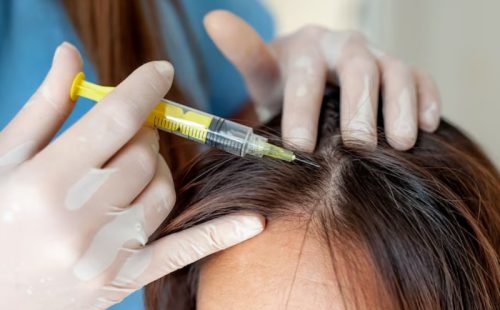
More people than ever are facing hair thinning and premature baldness, but effective, natural solutions are within reach. This growing issue is largely attributed to modern lifestyle changes. The frequent use of chemical-laden products, heat-based styling tools like straighteners, and poor dietary habits have all taken a toll on hair health.
As this problem becomes more widespread, the search for effective solutions has intensified. With a wide range of treatments available, ranging from topical solutions and oral supplements to advanced clinical procedures, it’s tough to know what really works. That’s why platelet-rich plasma (PRP) therapy is gaining buzz. It’s a natural, minimally invasive solution that uses your body’s healing power to jumpstart hair growth, making it a top pick for effective, safe results.
1. What is PRP Hair Treatment?
Platelet-rich plasma (PRP), simply put, is a blood sample that contains a higher concentration of platelets than normal. Since platelets have special growth factors, when we inject PRP into the area that needs treatment, it helps your body heal and grow new cells faster.
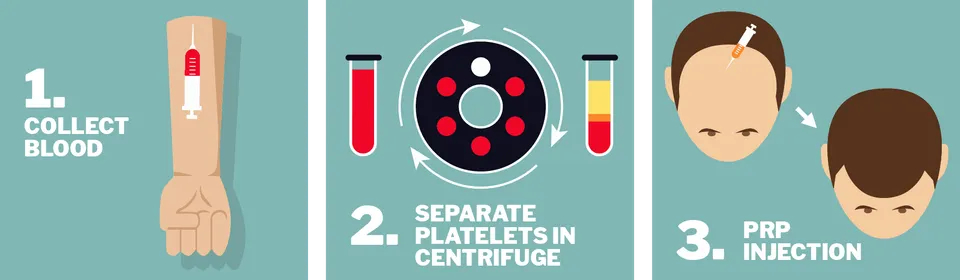

2. How It Works (PRP Process)
Blood Collection
Your dermatologist or healthcare provider will draw a small amount of blood from your arm, just like a routine blood test.Centrifugation
The blood is placed in a machine called a centrifuge that spins it really fast to separate its parts.Separation of Components
This spinning separates the red and white blood cells from the plasma, which is rich in platelets.Extraction of Platelet-Rich Plasma
The platelet-rich plasma—the part with lots of growth factors—is carefully collected.PRP Injection
The PRP is then injected into the area that needs treatment, such as the scalp for hair loss, joints for pain relief, or skin for rejuvenation.Healing & Regeneration
Once injected, the growth factors in PRP jumpstart your body’s natural healing process, helping cells regenerate and tissues repair.

3. Before and After PRP Treatment Guidelines
Before PRP Treatment
To ensure the most effective PRP treatment and faster healing, observe the following guidelines:
- Make sure to drink plenty of water before your appointment.
- Have a light meal to help prevent dizziness or lightheadedness during or after the procedure.
- Avoid NSAIDs like ibuprofen or naproxen before your treatment because they can slow down the healing process.
- If you’re on blood thinners, talk to your healthcare provider about pausing them before your PRP treatment.
- Avoid smoking, as it can impair healing and reduce treatment effectiveness.
- Refrain from alcohol use leading up to your treatment, as it can impact platelet function and healing.
Post-PRP Treatment Instructions:
To ensure optimal healing and results, please follow these guidelines after your PRP treatment:
- Refrain from applying any hair or scalp products (including sprays, serums, or oils) for at least 24 to 48 hours after PRP treatment.
- Avoid anti-inflammatory medications like ibuprofen or naproxen for a few days after treatment to help your body heal properly.
- Do not wash your hair for at least 24 hours.
- Avoid strenuous exercise, saunas, or hot showers for 24–48 hours.
- Refrain from smoking and limit alcohol intake to support healing.
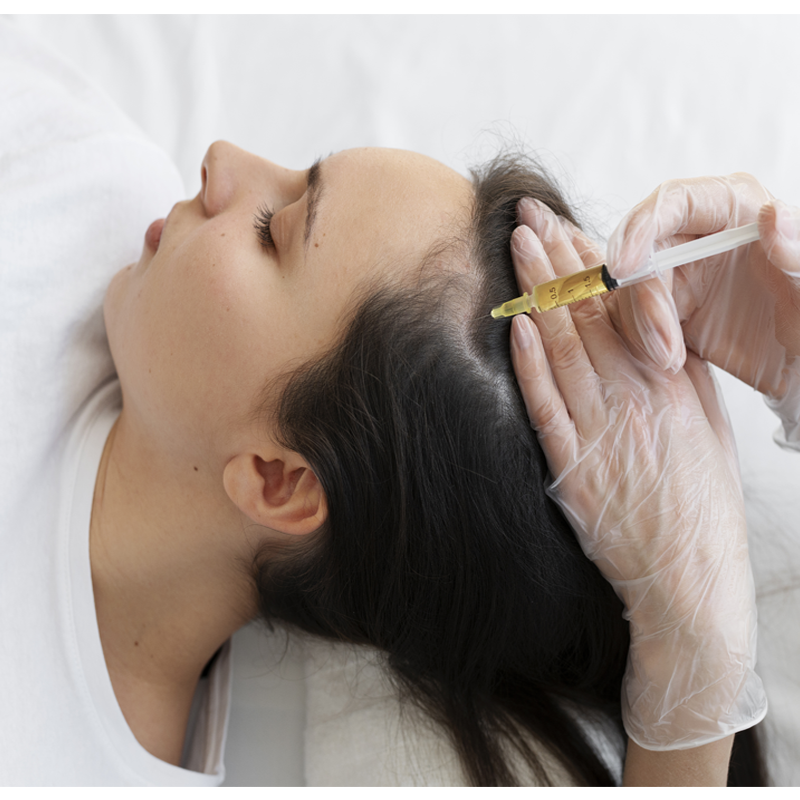
4. Benefits of PRP Treatment
- Low-Risk Procedure
PRP uses your blood, so there’s minimal risk of allergic reaction or rejection. - Natural and Safe
The treatment is natural, chemical-free, and drug-free. - Stimulates Natural Hair Growth
PRP promotes blood flow to hair follicles, reactivating inactive or weakened follicles to encourage new growth. - Thicker, Healthier Hair
Over time, patients typically notice increased hair density, volume, and overall quality. - Can Be Combined with Other Hair Treatments
PRP works well in conjunction with minoxidil, finasteride, microneedling, or hair transplants to achieve improved outcomes. - Minimally Invasive
The procedure involves only a simple blood draw and injections, with no surgery or downtime. - Quick Recovery Time
Most patients return to normal activities immediately after treatment. - Improves Hair Texture and Strength
PRP can strengthen existing hair strands and reduce shedding over time. - Clinically Supported
Backed by studies and is commonly recommended by dermatologists and hair restoration specialists.
5. PRP Treatment Side Effects or Risks
- Slight discomfort or tenderness, often resolving in 24–48 hours.
- Mild pain or pressure during or shortly after the treatment, but generally well-tolerated.
- Redness or small bruises that fade naturally.
- Occasionally, mild itching or a warm feeling in the treated area.
- The risk of infection is very rare.
Serious side effects are uncommon, but it’s important to have your treatment done by a certified dermatologist or healthcare professional to ensure safety and proper care.

6. Recovery Time After PRP Treatment
- Most patients resume normal activities the same day.
- Mild swelling or tenderness may last 1–2 days.
- Results typically begin to appear after 2–3 sessions, with full effects in 3–6 months.
7. PRP Hair Treatment Price
PRP hair treatment cost varies based on several factors, including the number of sessions you need, the expertise of the dermatologist, and the quality of the equipment or PRP kits used at the clinic. Because of these variables, it’s best to contact the clinic directly for a personalized quote and accurate pricing information.
8. Is PRP Hair Therapy for You?
PRP is ideal for individuals experiencing early-stage hair thinning or pattern baldness (androgenetic alopecia). It’s especially suited for those seeking a non-surgical treatment with minimal downtime. PRP can also enhance the effectiveness of other hair restoration methods.
However, it may not be suitable for people with certain blood disorders, active scalp infections, chronic health conditions that affect healing, or those who are pregnant or on strong blood thinners. A personalized consultation is the best way to determine if PRP is right for your specific needs.

9. Why Choose DASC for Your PRP Therapy?
If you’re looking for PRP hair treatment in Lahore, Pakistan, you’ll find many options, but not all clinics offer the same level of expertise and results. It’s important to research the PRP hair treatment success rates, credentials, and experience of the provider to ensure you’re in capable hands.
At DASC, Dr. Amina delivers expert PRP hair therapy in Lahore backed by the latest research and techniques. With a strong commitment to patient care, safety, and results, Dr. Amina ensures that each treatment is personalized and performed to the highest medical standards, making DASC a trusted choice for hair restoration in Lahore.
FAQ's
PRP hair loss treatment isn’t very painful because the area is numbed beforehand.
PRP may regrow hair, but the results aren’t always permanent and need maintenance.
6–8 PRP sessions spaced 2–4 weeks apart are recommended with 3-month top-ups.
PRP is used for hair loss, skin rejuvenation, and joint or muscle issues.
Each hair PRP session usually takes around 60 to 90 minutes.
PRP therapy has a quick recovery with minimal discomfort.
PRP results for hair may appear in a few months, varying by person.
PRP uses your blood, while stem cell therapy uses regenerative cells.
PRP and hair transplants vary in results and may work better together.
PRP can help regrow hair in areas with bald spots.
PRP costs in Lahore range from PKR 15,000 to 30,000 per session.